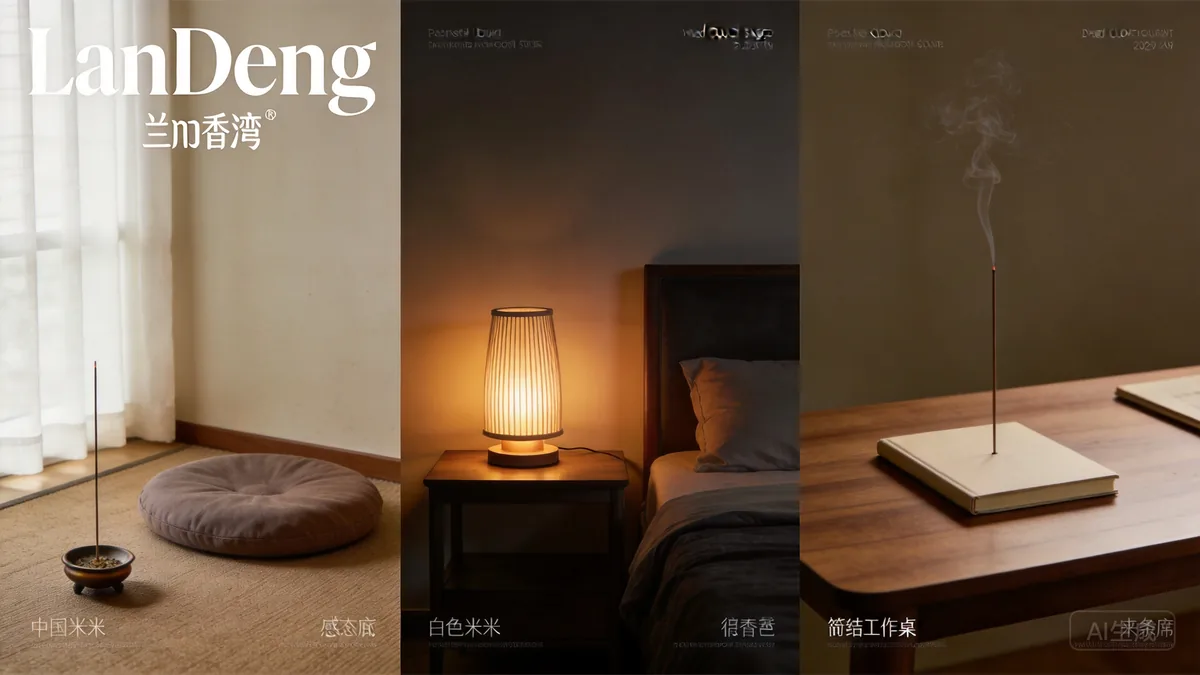
Definition: “Incense by intention” means choosing a scent (and a format) to match the mood or activity you want — a bright, focusing scent for deep work, a warm, grounding one for unwinding, a clean one for home ambiance, a soft one for yoga. It is a mapping from purpose to scent, not a promise of an effect.
Key facts: Incense scents fall on a spectrum from bright/energizing (citrus, frankincense) to deep/grounding (sandalwood, agarwood). Matching scent to intention is a fragrance and ritual choice — “calming” and “focusing” describe aroma character, not a physiological result.
Key Takeaways
- “By intention” = choose the atmosphere first, then the scent.
- Bright/focusing scents: citrus, frankincense. Warm/grounding: sandalwood, agarwood.
- Match the format to the session (a stick burns 20–60 min; a cone ~10–15 min).
- No incense scent is a medical treatment — intention is a fragrance and ritual choice.
Intention → Scent Map
| Intention | Start with | Why |
|---|---|---|
| Focus / deep work | Citrus, frankincense | Bright, clean, non-distracting |
| Unwinding / evening | Sandalwood, lavender | Warm, soft, low-key |
| Home ambiance | Cedar, sandalwood, frankincense | Clean, room-filling, welcoming |
| Yoga / breathwork | Sandalwood, frankincense, cedar | Grounding, steady, not loud |
| Meditation | Sandalwood, agarwood, frankincense | Calm, long-lasting, non-distracting |
See the full scent guide for a deeper breakdown of each scent’s character.
Why Intention Matters More Than the Label
Most “incense for [purpose]” content attaches a health claim — “relieves stress,” “boosts focus,” “calms anxiety.” This hub does not. The honest version is simpler: a bright scent suits focus, a warm scent suits unwinding, and the ritual of lighting a stick gives your session a beginning and an end.
That ritual cue is the real, defensible value: a repeated sensory signal that anchors a routine. The fragrance itself is a preference, not a medicine.
The Scenarios
- Evening unwinding — a warm, low-key scent to close the day (a routine, not a sleep aid).
- Study & deep work — a bright, non-distracting scent for focus.
- Home ambiance — scenting a room, welcoming guests, clearing the air.
- Yoga & breathwork — a grounding, steady scent for practice.
- Meditation — a calm, long-lasting scent, with the “burn time as timer” framing.
Why This Hub Reads Different (vs. “Wellness Benefit” Lists)
Affiliate and wellness content turns “intention” into a benefit claim. This hub keeps intention honest: it is a fragrance-and-ritual choice, described in aroma terms, with no medical or therapeutic promises.
The Author’s Take
Position: “Intention” is the right frame and the most abused one — the industry keeps attaching health claims to what is really an atmosphere choice.
Reasoning:
- The honest version works better: a bright scent suits focus, a warm one suits unwinding.
- The ritual of lighting gives the session a beginning and an end.
- Fragrance is a preference, not a medicine.
This is the author’s editorial view and experience — not a verified fact.
Verification Notes
- “Calming,” “focusing,” “grounding” describe aroma character and ritual association, not physiological effects.
- Burn times are ranges; see each format page for detail.
- No health or therapeutic claims are made.
FAQ
Q: How do I choose incense for focus?
Start with the atmosphere you want — bright and alert — then pick a scent and a format to match. Citrus and frankincense are the usual choices because they are clean and non-distracting, reading as “fresh” rather than heavy or sleepy. Avoid deep sweet woods and heavy florals, which pull the room toward cozy rather than alert. Then match the burn time to your work session: a thin coreless stick of about 25–30 minutes for one sprint, or a bamboo-core stick of 45–60 minutes for a longer block. The ritual of lighting it is the real mechanism — the scent becomes a “start work” cue. See study & deep work.
Q: Is there incense for sleep?
LanDeng makes no sleep claims. There is no incense that can honestly promise to make you sleep, and “sleep incense” is a marketing label, not a supported effect. What a warm, low-key scent can do is be part of an evening wind-down routine: the same soft smell at the same hour, paired with dimmed lights and a quiet activity, signals that the day is ending. That is a cue built by repetition, not a sedative effect from the fragrance. For safety, always extinguish the incense before bed and never leave it burning while you sleep. See evening unwinding for the routine.
Q: What is the best incense for meditation?
The traditional choices are the calm woods and resins — sandalwood, agarwood, and frankincense — chosen for being soft, long-lasting, and non-distracting rather than sharp or sweet. Sandalwood is creamy and gentle, agarwood is deep and resinous with a character that develops as it heats, and frankincense is clean and slightly citrus. Match the scent to your session length so the stick ends when the sit does: a Japanese coreless stick of about 25–30 minutes for a short sit, or a bamboo-core stick or coil for longer practice. See incense for meditation for the full timer-anchor-cue framing.
Q: Does incense scent actually change your mood?
The fragrance can set a tone, and the ritual can anchor a routine, but any “mood” effect is subjective and experiential rather than a measured, guaranteed result. A bright citrus may make a room feel more alert to you, and a warm sandalwood may feel more settling, but those responses are personal and learned — built by culture, memory, and repetition — not a reliable chemical effect that works the same way for everyone. This page treats “calming” and “focusing” as aroma descriptors, not as effects. So use scent to shape the atmosphere you want, and don’t buy a mood as a promise.
More Questions Answered
Q: What incense should I avoid for focus?
Heavy, sweet, or strongly floral scents, if they distract you — but this is genuinely personal. Deep woods like agarwood and sweet florals like jasmine read as enveloping and cozy, which can pull a work session toward relaxation rather than alertness. Loud spices like clove can also draw attention away from the task. The honest rule is to choose by your own response, not by a “focus incense” label: if a scent makes you want to sit and sink in rather than get started, it is working against you. Test a scent during work and keep the one that fades into the background.
Q: Can the same scent serve different intentions?
Yes. Sandalwood can read as calming for one person and focusing for another, because aroma response is personal and shaped by memory and culture rather than fixed. The intention map on this page is a starting point, not a rule — it suggests bright scents for focus and warm scents for unwinding because those are the common patterns, but your own experience overrides it. What matters more than the note is how you use it: pair a scent consistently with one activity and it becomes a cue for that activity. The same sandalwood can therefore anchor work for you and wind-down for someone else.
Q: Is there a scent for “unwinding without sleepiness”?
Sandalwood and cedar sit in the warm-but-neutral middle — grounding and soft without the heaviness of a deep resin or the brightness of citrus. They read as calm rather than sedating or energizing, which makes them a good choice when you want to slow down in the evening without drifting toward sleep, or when you want a quiet background for reading. This is a matter of aroma character, not a measured effect, and “unwinding” here means atmosphere and routine, not a medical or sleep claim. See evening unwinding for the full wind-down framing.
Sources
- The scent guide for aroma-spectrum framing.
- The scenario pages linked above for detail.
- American Lung Association — indoor air pollutants — background on combustion particles, which is why these scenario pages stress ventilation and low-smoke formats.
- Xiang Cheng (香乘) full text on Wikisource — classical Chinese incense text behind the traditional scent-to-intention mappings.
Related Resources
- Complete Scent Guide
- Which Incense Format Is Right for You?
- Incense for Meditation
- How to Choose Incense
Natural next step: pick your scenario — start with evening unwinding or study & deep work — or learn the formats first.